

Available courses
IPC 101
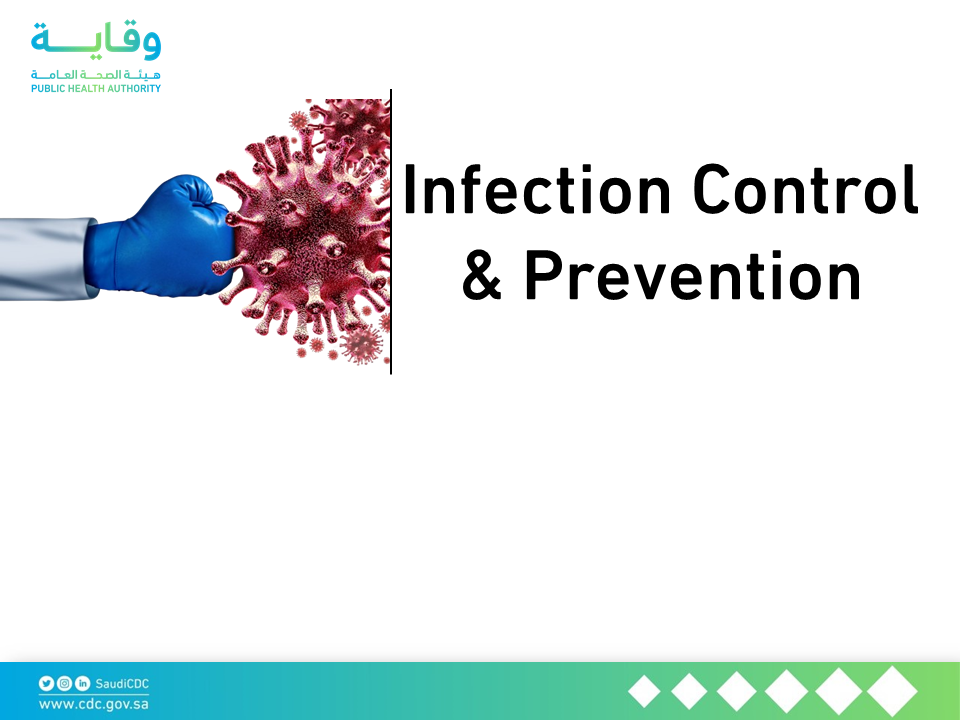
Infection Control and Prevention
Infection control and prevention refers to the measures and practices implemented to minimize the risk of spreading infections in various settings, such as healthcare facilities, workplaces, and communities. It involves a range of strategies aimed at reducing the transmission of infectious agents, including viruses, bacteria, and other pathogens.
MERS-CoV: Infection Control and Healthcare Outbreaks
Course Description
This course aims to enhance the readiness of healthcare professionals to effectively manage cases of Middle East Respiratory Syndrome (MERS-CoV) within healthcare settings. It provides participants with best practices in infection prevention and control, along with insights from healthcare-associated outbreaks and lessons learned.
The course emphasizes practical application of preventive measures and strengthens response capabilities to reduce transmission, protect patients and healthcare workers, and improve the quality of care.
Learning Objectives
By the end of this course, participants will be able to:
- Describe the key characteristics and modes of transmission of Middle East Respiratory Syndrome (MERS-CoV) in healthcare settings.
- Apply best practices in infection prevention and control according to established guidelines.
- Identify risk factors associated with healthcare-associated outbreaks.
- Analyze outbreak scenarios and extract key lessons learned.
- Implement appropriate measures for rapid response and outbreak containment.
- Promote adherence to infection control protocols to protect patients and healthcare workers.
Target Audience
All healthcare professionals and facility staff involved in infection prevention, control, and management of infectious diseases.
EC101
Environmental Cleaning and Disinfection in Healthcare Facilities
Welcome to Environmental cleaning and disinfection in healthcare facilities
By the end of this course, you will be able to:
- Understand principles of environmental cleaning and disinfection in healthcare.
- Demonstrate knowledge of environmental cleaning techniques.
- Describe cleaning and disinfection techniques for different hospital areas.
- Explain proper cleaning methods for specific pathogens and additional techniques.
- Discuss strategies for monitoring and assessing environmental cleaning effectiveness.
Target audience:
IP Director, Infection preventionists and operating companies for cleaning in hospitals.
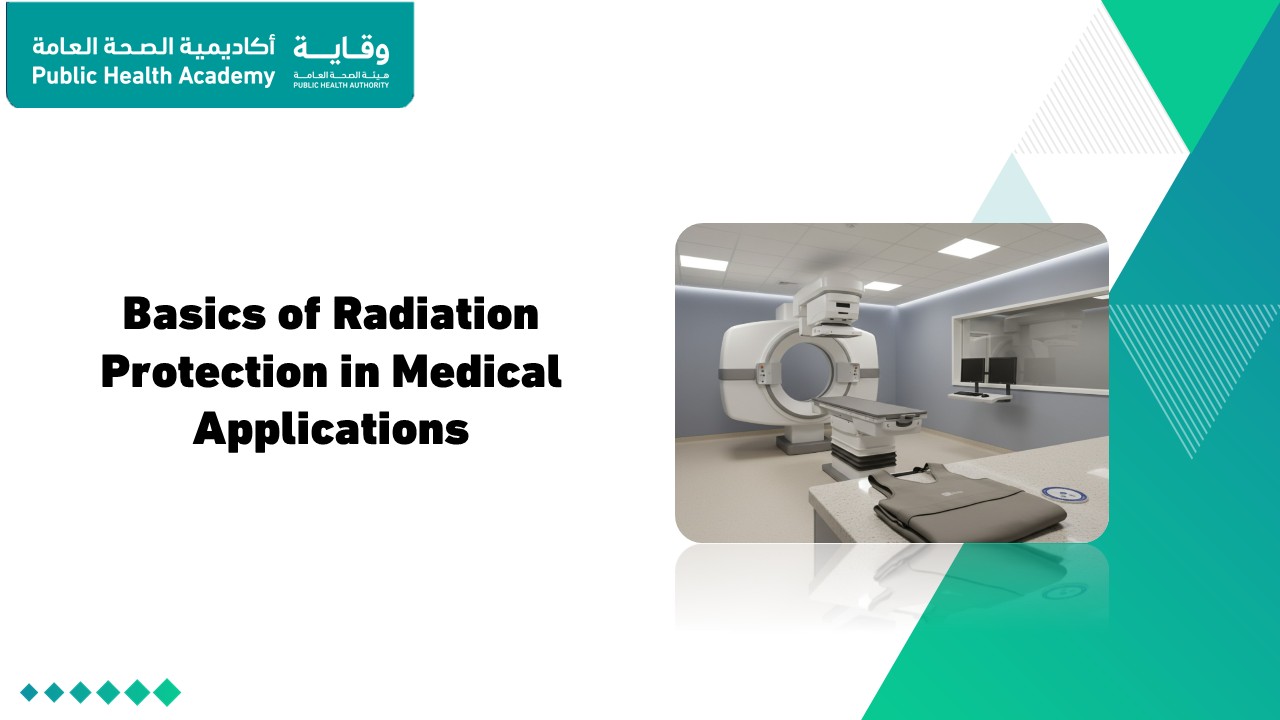
Basics of Radiation Protection in Medical Applications
Course Description
This course aims to enhance the knowledge and competencies of healthcare professionals in the safe use of ionizing radiation in medical settings. It provides participants with the fundamental principles of radiation protection, occupational safety, and best practices to minimize radiation exposure.
The course emphasizes the practical application of radiation protection measures to safeguard healthcare workers, patients, and the public while ensuring the safe and effective use of ionizing radiation in healthcare.
Learning Objectives
By the end of this course, participants will be able to:
• Describe the basic concepts and medical applications of ionizing radiation.
• Explain the biological effects associated with radiation exposure.
• Apply the fundamental principles of radiation protection, including justification, optimization (ALARA), and dose limitation.
• Implement occupational radiation protection measures, including dose monitoring and personal protective strategies.
• Apply fundamental radiation protection methods and workplace safety measures to minimize occupational radiation exposure.
Target Audience
Healthcare professionals exposed to ionizing radiation in medical settings.
IOSH_Worker 360
Introduction To Worker 360
Welcome
The modern workplace is rapidly evolving, bringing with it new challenges, including rising psychosocial risks and an increasing need for a more holistic approach to worker wellbeing. These changes highlight the importance of moving beyond traditional occupational health and safety models toward more integrated and comprehensive strategies.
The Worker 360 program addresses this need by equipping professionals with the knowledge and skills to design and implement effective strategies that support physical, mental, and organizational wellbeing. This approach not only strengthens workforce wellbeing, but also supports healthier, more productive organizations and contributes to long-term sustainability.
By the end of the course, learners will be able to:
- Identify the key dimensions of Worker 360 wellbeing and related health concepts.
- Explain the Worker 360 framework and its workplace applications.
- Apply health standards to evaluate and improve workplace practices.
- Analyze risks and recommend evidence-based interventions.
- Design a workplace wellbeing strategy aligned with organizational priorities.
Target Audience
This training is designed for professionals involved in occupational health, workplace wellbeing, human resources, management, public health leadership, mental health, policy-making, and academic training, with the goal of advancing integrated worker health and wellbeing strategies within organizations.
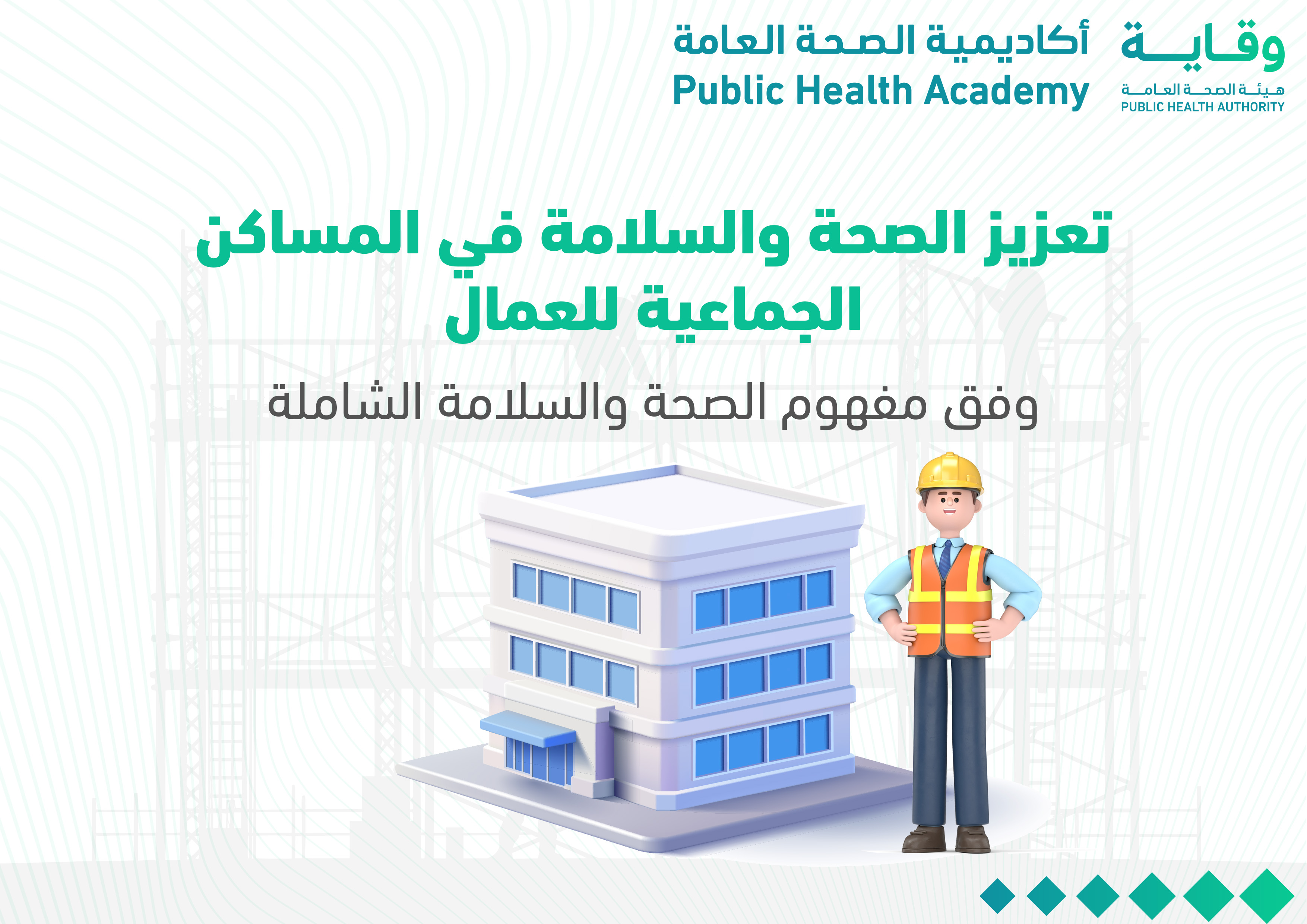
تعزيز الصحة والسلامة في المساكن الجماعية للعمال
الغرض
تعزيز مفاهيم الصحة والسلامة الشاملة في المساكن الجماعية للعمال، ورفع وعي المشرفين والمقيمين بأهمية توفير بيئة سكنية صحية وآمنة، بما ينعكس إيجابًا على صحة العاملين وإنتاجيتهم واستقرارهم.
الهدف العام
تمكين المشرفين والعاملين في المساكن الجماعية من تطبيق أفضل الممارسات والمعايير لضمان بيئة سكنية آمنة وصحية، والمساهمة في تحسين جودة الحياة لجميع القاطنين.
الأهداف التفصيلية
-
تعريف المشاركين بمفهوم الصحة الشاملة للعاملين وأركانها الأساسية.
-
توضيح المخاطر الشائعة في بيئة السكن الجماعي وسبل الوقاية منها.
-
تدريب المشاركين على تحسين البيئة السكنية ودعم نمط الحياة الصحي.
-
تعزيز السلوكيات الصحية مثل: النظافة الشخصية، التغذية السليمة، النشاط البدني، النوم الجيد، والصحة النفسية.
-
تزويد المشاركين بالأدوات والآليات اللازمة لتقييم الأنشطة الصحية في السكن الجماعي وقياس أثرها.
الفئة المستهدفة
-
المشرفون على المساكن الجماعية للعمال.
-
العاملون المقيمون في المساكن الجماعية.
WHS-OH
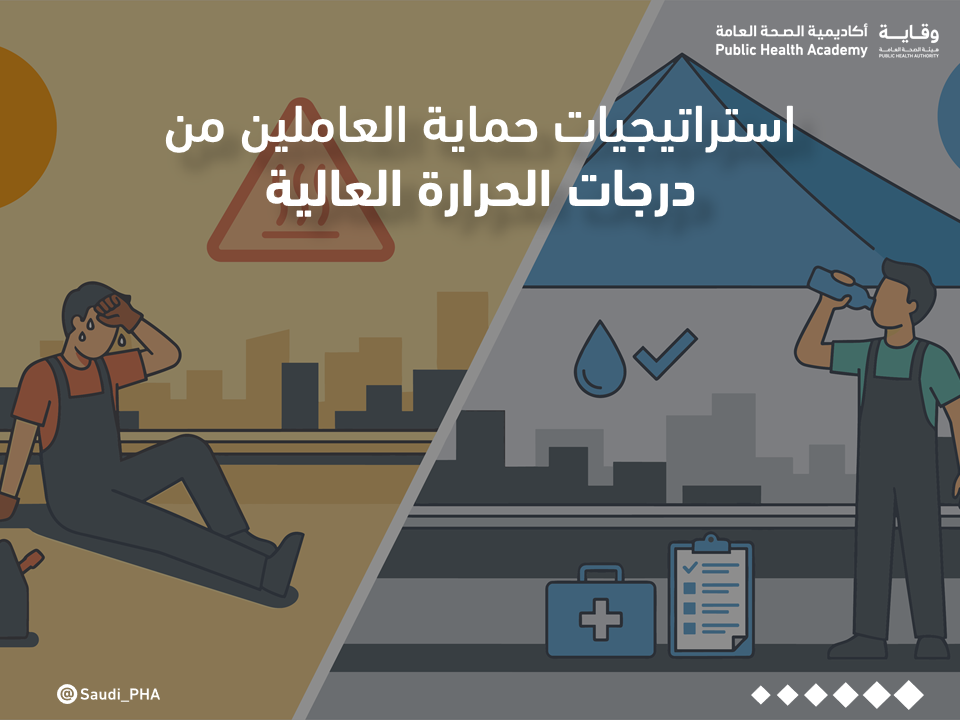
استراتيجيات حماية العاملين من درجات الحرارة العالية
وصف الدورة:
تعد بيئات العمل ذات درجات الحرارة المرتفعة من أكبر التحديات التي تواجه سلامة وإنتاجية القوى العاملة. تأتي دورة "استراتيجيات حماية العاملين من درجات الحرارة العالية" المقدمة من أكاديمية الصحة العامة لتسليط الضوء على مخاطر الإجهاد الحراري وتأثيراته الصحية الحادة على العاملين. تهدف هذه الدورة إلى تزويد المشاركين بالمعارف والمهارات الاستراتيجية والعملية اللازمة لتطبيق الإجراءات الوقائية والتدابير الهندسية والإدارية لحماية الأفراد في أماكن العمل، بالإضافة إلى رفع كفاءة المنشآت والجهات المشغلة في التخطيط وبناء خطط استجابة سريعة وفعالة لحالات الطوارئ المرتبطة بالحرارة العالية، بما يضمن بيئة عمل آمنة وممتثلة لأفضل معايير الصحة والسلامة المهنية.
الأهداف:
· التعرف على مخاطر الإجهاد الحراري وتأثيره على صحة وإنتاجية العاملين.
· تمكين المشاركين من تطبيق الإجراءات الوقائية لحماية العاملين في مواقع العمل.
· رفع كفاءة المنشآت في التخطيط والاستجابة لحالات الطوارئ المرتبطة بالحرارة.
الفئة المستهدفة:
· مسؤولو وأخصائيو الصحة والسلامة المهنية.
· مدراء التشغيل والمشرفون الميدانيون في الجهات المشغلة.
· مسؤولو إدارة الطوارئ والأزمات في المنشآت.
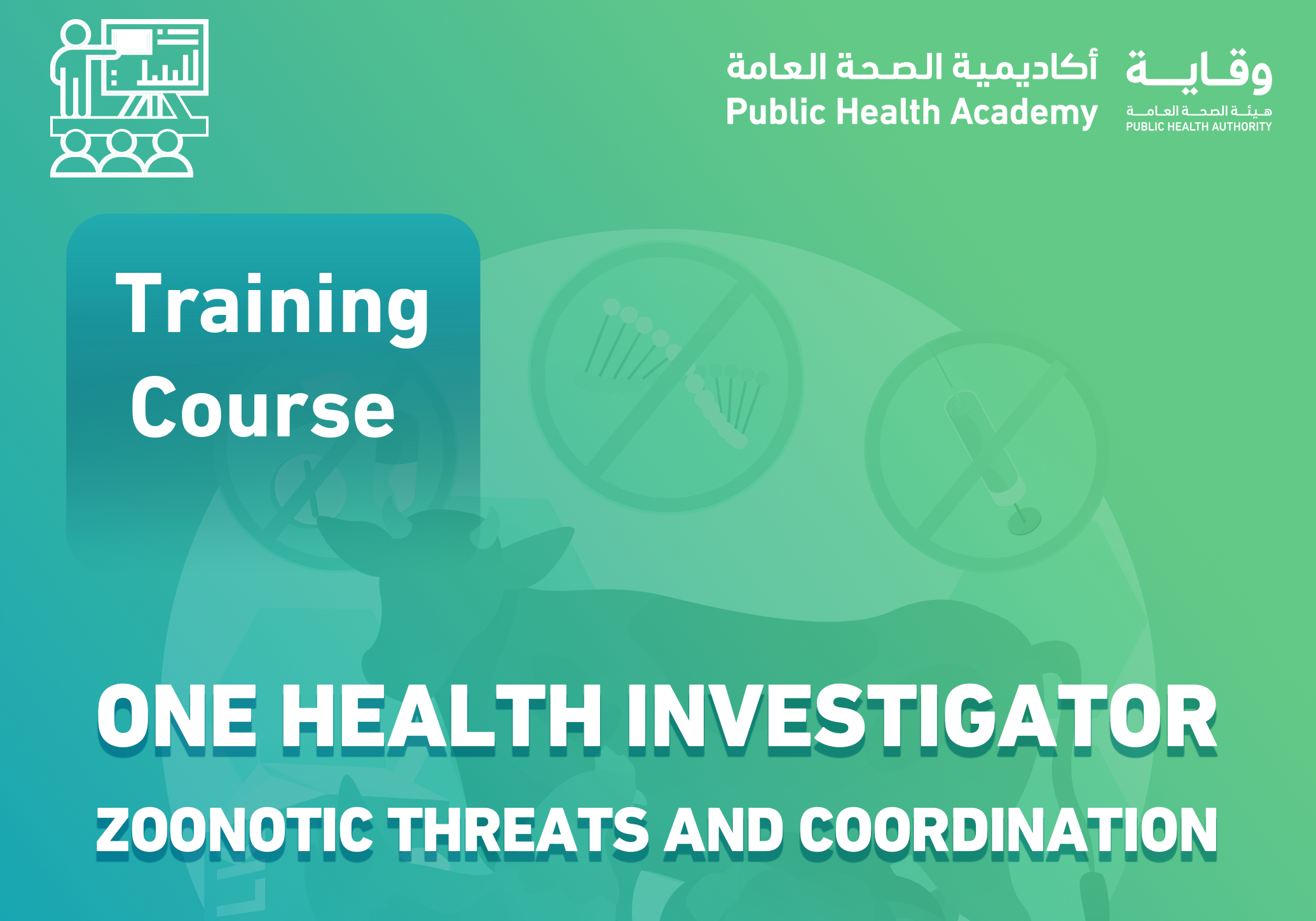
One Health Detective Course
One Health Detective Course.
This course is designed to build a multisectoral approach to addressing zoonotic threats. It focuses on the interface between human health, animal health, and the environment to detect, prevent, and stop outbreaks before they spread.
Target Audience: Professionals working in Human Health (e.g., Ministry of Health), Animal Health (e.g., WEQAA center, veterinarians), Environmental Health (e.g., Ministry of Environment, Water and Agriculture), Food Safety, and Disaster Management.
Learning Objectives:
· Define zoonotic diseases and describe their transmission modes.
· Understand the importance of the One Health approach and multisectoral collaboration.
· Identify connections between humans, animals, and the environment.
· Build sustainable One Health systems and coordination mechanisms (MCM).
· Perform technical operations like joint surveillance, risk assessment, and coordinated response.
Skip course categories